- Contribute to the Future
- +90 212 803 56 66
- +90 532 514 47 62
- fatih@izgeridonusum.com.tr

Secure Data Destruction in Istanbul: Protecting Your Global Brand Reputation

Navigating E-Waste Regulations in Turkey: A Guide for Multinationals
Nisan 27, 2026
Why IT Asset Disposition (ITAD) is Critical for Global Firms Operating in Turkey
Nisan 29, 2026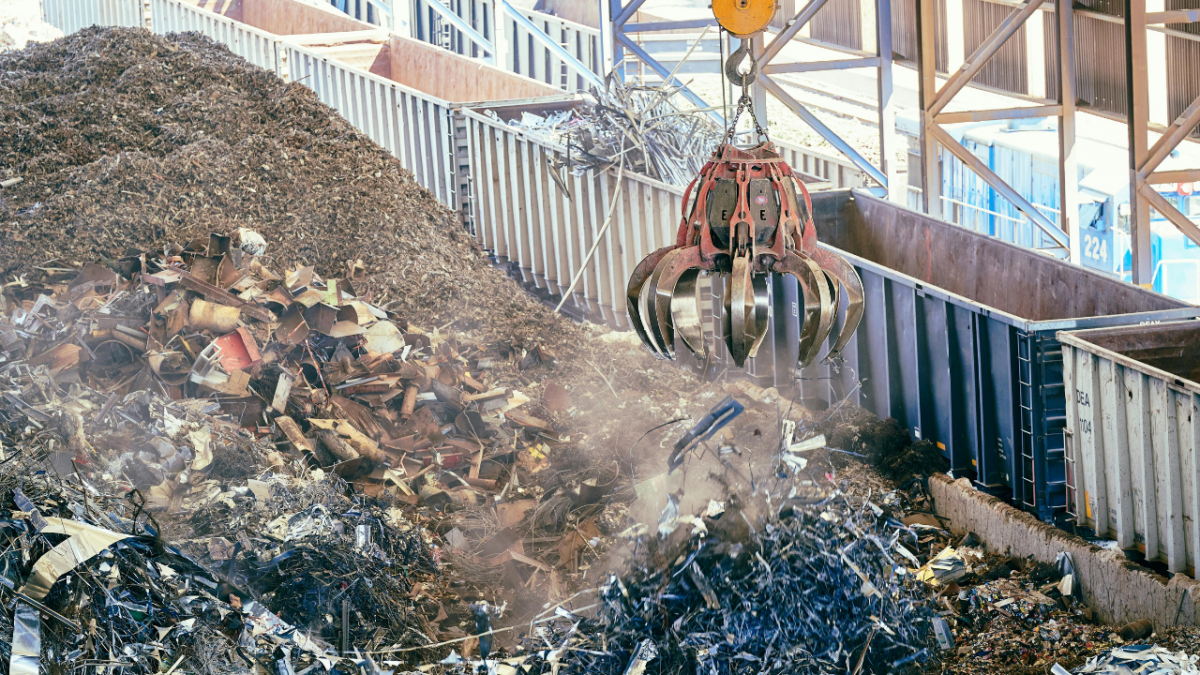
Secure Data Destruction in Istanbul: Protecting Your Global Brand Reputation
In the digital age, a company’s most valuable asset is no longer its physical inventory, but its data. For multinational corporations operating in Turkey, the challenge of managing this data doesn’t end when a laptop is retired or a server is decommissioned. In fact, that is precisely when the highest risk begins. In a metropolitan hub like Istanbul, where thousands of global firms maintain their regional headquarters, “Secure Data Destruction” has moved from being a technical necessity to a core pillar of global brand reputation management.
The High Cost of a Data Breach in the Global Market
For a global brand, a data leak in a local branch is never just a “local” problem. If sensitive customer information, financial records, or proprietary software code from an Istanbul office ends up on the dark web or in a landfill, the news travels globally within minutes. The resulting damage to brand trust can cost millions in lost market value, far exceeding any regulatory fine.
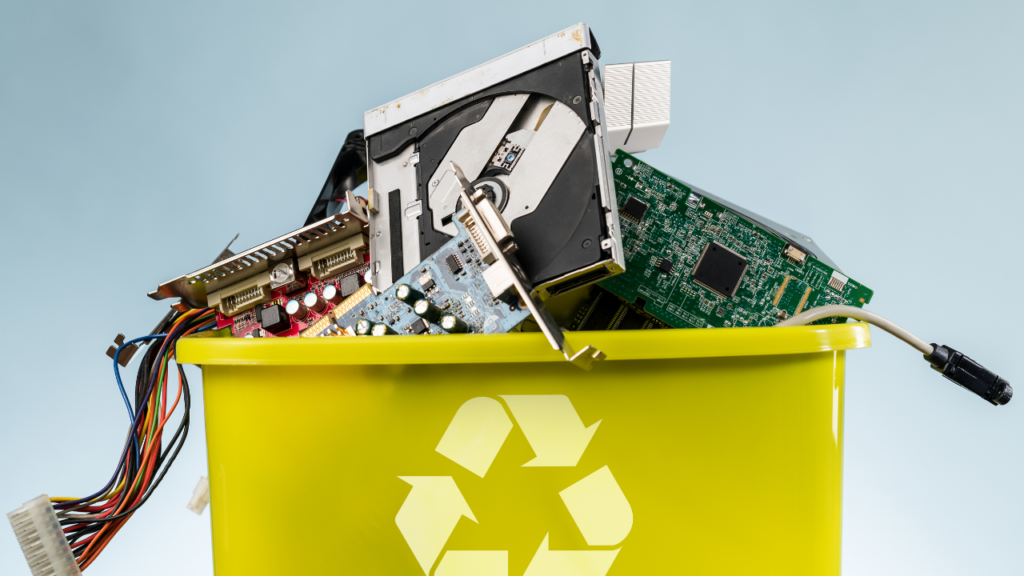
Modern data recovery techniques have become incredibly sophisticated. Simple file deletion or even formatting a hard drive is no longer sufficient to protect against professional data thieves. This is why multinational firms require a partner who treats “End-of-Life” (EoL) hardware with the same level of security as their live production environment.
KVKK Compliance: Meeting Turkish Legal Standards
Operating in Turkey requires strict adherence to the Personal Data Protection Law (KVKK), which shares many foundational principles with the EU’s GDPR. Under KVKK, companies are legally “Data Controllers” and remain responsible for the security of personal data until it is proven to be irrecoverably destroyed.
For international firms, the stakes are even higher. You must satisfy both the local Turkish authorities and your own global compliance audits. A professional data destruction service in Istanbul provides the necessary “Chain of Custody” and “Certificate of Destruction” (CoD) that serve as legal proof that your company has fulfilled its duty of care. Without these documents, a global firm is left vulnerable during both local inspections and international audits.
Beyond Software Wiping: The Necessity of Physical Destruction
While software-based data wiping (using NIST-certified standards) is effective for certain types of asset redeployment, most global security protocols now demand Physical Destruction for high-security assets. This process involves:
- Industrial Shredding: Hard drives, SSDs, and magnetic tapes are fed into industrial shredders that reduce the hardware to tiny, unrecognizable fragments.
- Degaussing: For magnetic media, high-intensity magnetic fields are used to completely scramble the data patterns, making recovery physically impossible even with laboratory equipment.
- Crushing: Specialized hydraulic presses destroy the platters and controller boards of storage devices.
In a dense city like Istanbul, logistics play a critical role. Secure transport from your corporate office (whether in Levent, Maslak, or Ataşehir) to a licensed facility like Katkısan Recycling must be handled in sealed, GPS-tracked containers to ensure that not a single drive goes missing during transit.
Why “Green” and “Secure” Must Go Hand-in-Hand
Modern ESG (Environmental, Social, and Governance) goals require that data destruction does not come at the expense of the planet. Traditional incineration of electronics is no longer an acceptable practice for global brands.
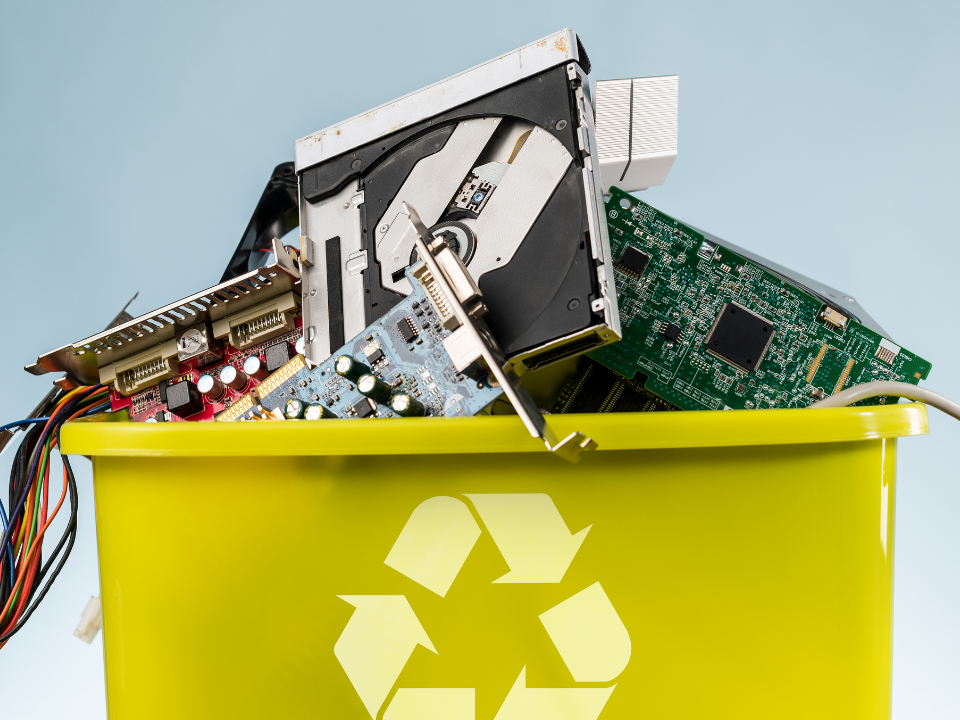
A professional partner ensures that after the data is physically destroyed, the remaining materials—aluminum, copper, gold, and rare earth magnets—are properly separated and fed back into the circular economy. This “double-win” allows a multinational firm to report both a 100% Security Success and a Contribution to Sustainability in their annual global reports.
Protecting Corporate Intelligence and Trade Secrets
It is not just customer data at risk. Your old hardware contains:
- Internal communication logs and strategy decks.
- VPN configurations and network topography.
- Proprietary algorithms and software prototypes.
- Employee payroll and sensitive HR files.
In the hands of a competitor or a cyber-criminal, this information is a goldmine. Secure data destruction acts as the final firewall in your cybersecurity strategy.
Conclusion: Choosing a Trusted Partner in Istanbul
For a multinational corporation, the decision to hire a data destruction firm is an exercise in risk management. You are not just hiring someone to “break electronics”; you are hiring a guardian for your brand’s reputation.
In the heart of Turkey’s commercial center, Katkısan Recycling offers the technical expertise, legal licensing, and high-security infrastructure required to meet the demanding standards of global ITAD (IT Asset Disposition) protocols. By ensuring that your data dies with the hardware, you secure your company’s future and maintain the trust of your global stakeholders.