- Contribute to the Future
- +90 212 803 56 66
- +90 532 514 47 62
- fatih@izgeridonusum.com.tr

Choosing a Local Partner for Secure Product Destruction: What Global Firms Should Know

The Financial and Legal Benefits of Sustainable Waste Management in Turkey
Mayıs 6, 2026
E-Waste Recycling in Turkey: Bridging the Gap Between Local Action and Global Standards
Mayıs 8, 2026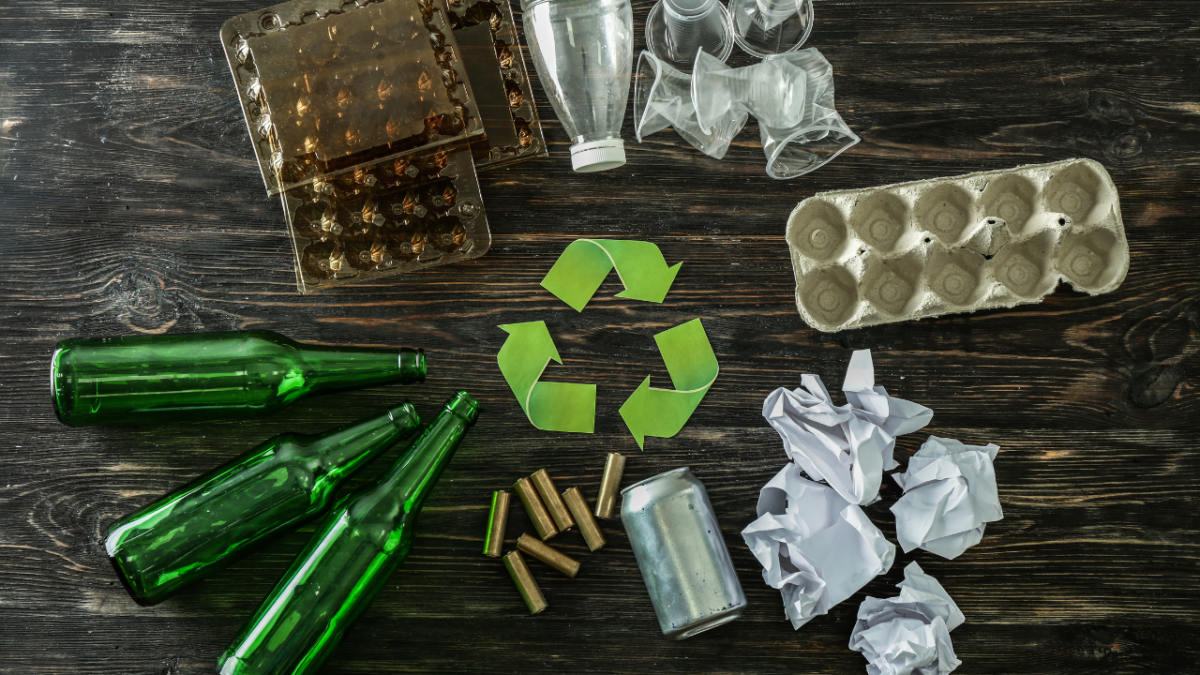
Choosing a Local Partner for Secure Product Destruction: What Global Firms Should Know
For a global brand, the integrity of its products is its most valuable asset. However, every manufacturing and distribution cycle inevitably produces “non-conforming” goods—whether they are faulty batches, expired items, prototype designs, or products with branding errors. In a strategic market like Turkey, how these items are disposed of is a critical decision. For a multinational firm, “Product Destruction” is not merely waste management; it is a high-stakes operation to prevent grey-market leakages, counterfeit circulation, and brand dilution. Choosing the right local partner is the difference between a secure supply chain and a public relations disaster.
The Risks of Improper Product Disposal
When a global firm fails to secure its product destruction process in Turkey, it opens the door to several catastrophic risks:
- Grey Market Resale: Faulty or rejected goods can be diverted from the waste stream and sold in unauthorized markets at a discount, cannibalizing legitimate sales and damaging brand prestige.
- Safety and Liability: If expired or defective consumer goods (such as electronics or branded apparel) reach the public, the original manufacturer remains legally liable for any harm caused, regardless of how the product reached the consumer.
- Counterfeit Facilitation: Discarded packaging, branded components, or molds can be salvaged by counterfeiters to produce high-quality fakes that are nearly indistinguishable from the original.
To mitigate these risks, international firms require a local partner in Turkey that operates with the same level of professional “Clean Code” integrity as their own global headquarters.
- Verifying Legal Licenses and Environmental Compliance
The first step for any global firm is to verify that the local partner is officially authorized by the Turkish Ministry of Environment, Urbanization, and Climate Change. In Turkey, “Secure Product Destruction” is governed by strict waste management codes.
A professional partner must hold:
- Hazardous and Non-Hazardous Waste Recovery Licenses: Ensuring the physical remains of the destroyed products are handled according to law.
- Zero Waste (Sıfır Atık) Certification: Proving that the facility contributes to Turkey’s national sustainability goals.
Using an unlicensed “scrap dealer” might seem cost-effective initially, but the legal “Spaghetti” that follows a regulatory audit can result in massive fines and the suspension of your Turkish business license.
- Transparency: The “Witnessed Destruction” Protocol
For a multinational corporation, “trust but verify” is the operational mantra. A reputable local partner in Turkey should offer comprehensive transparency throughout the destruction lifecycle.
Key features to look for include:
- Video Recording and Live Streaming: The ability to witness the destruction process in real-time or receive high-definition video evidence of the specific batch being shredded.
- Certificate of Destruction (CoD): A formal, serialized document that proves the date, time, method, and volume of the products destroyed. This is your primary shield during internal audits and legal inquiries.
- On-Site Shredding Capabilities: For highly sensitive prototypes or branded components, some firms prefer the partner to bring mobile shredding units to their warehouse in Istanbul or Kocaeli, ensuring the products never leave the client’s sight until they are unrecognizable.
- Data Security Integration (KVKK/GDPR)
In many cases, products are not just physical items; they are data-bearing assets. Smart devices, branded hardware with embedded chips, or even corporate uniforms with RFID tags fall under the KVKK (Personal Data Protection Law) in Turkey.
Your local partner must understand that product destruction often overlaps with data destruction. If a “smart” product is discarded without its internal memory being physically crushed, your firm is in violation of both local laws and global GDPR standards. A partner like Katkısan treats these items with the same security protocols as a high-end server.
- ESG Alignment: From Destruction to Circular Economy
Modern global firms are judged by their ESG (Environmental, Social, and Governance) performance. Simply “dumping” destroyed products into a landfill is no longer an acceptable practice for a world-class brand.
The ideal local partner in Turkey should demonstrate a commitment to the Circular Economy. After the product is rendered unusable and the brand is protected, the raw materials—plastics, textiles, glass, and metals—should be separated and recycled. This allows your firm to report a “Zero Waste to Landfill” success for its Turkish operations, boosting your global sustainability metrics.
- Security and Chain of Custody
The “Chain of Custody” is the documented trail of a product from the moment it leaves your facility until it is destroyed. For a multinational firm, any gap in this chain is a security breach. Look for a partner that utilizes:
- GPS-Tracked Logistics: Ensuring the truck doesn’t make unauthorized stops.
- Sealed Containers: Preventing “leakage” during transit.
- Background-Checked Staff: Ensuring that the people handling your sensitive brand assets are vetted and trained in security protocols.
Conclusion: Protecting the Soul of Your Brand
In the competitive Turkish market, your brand’s reputation is its most powerful weapon. Protecting that reputation requires a local partner who understands that “destruction” is actually an act of “preservation”—preserving your market share, your legal standing, and your brand’s soul.
Katkısan Recycling provides the sophisticated infrastructure, legal mastery, and absolute transparency that global leaders demand. We don’t just process waste; we provide a secure, “Clean Code” solution for brand protection in Turkey, ensuring that your non-conforming products are gone forever, but your reputation remains spotless.
FAQ
- Can we send a representative to witness the destruction process?
Absolutely. We encourage our multinational clients to either send a representative to our facility or use our high-definition live streaming service to witness the destruction process first-hand.
- What types of products can be securely destroyed?
We handle everything from electronic prototypes and branded apparel to faulty consumer goods, expired chemicals (with appropriate licenses), and sensitive corporate documents.
- Is the Certificate of Destruction (CoD) legally binding?
Yes. In Turkey, a CoD provided by a licensed recycler is a formal legal document used for tax write-offs, insurance claims, and regulatory compliance audits.