- Contribute to the Future
- +90 212 803 56 66
- +90 532 514 47 62
- fatih@izgeridonusum.com.tr

Professional E-Waste Solutions for Tech Giants with Offices in Turkey

The Importance of ISO Certified Recycling Partners for International Compliance
Mayıs 3, 2026
From Servers to Smartphones: Secure End-of-Life Management for Corporate Assets
Mayıs 5, 2026
Professional E-Waste Solutions for Tech Giants with Offices in Turkey
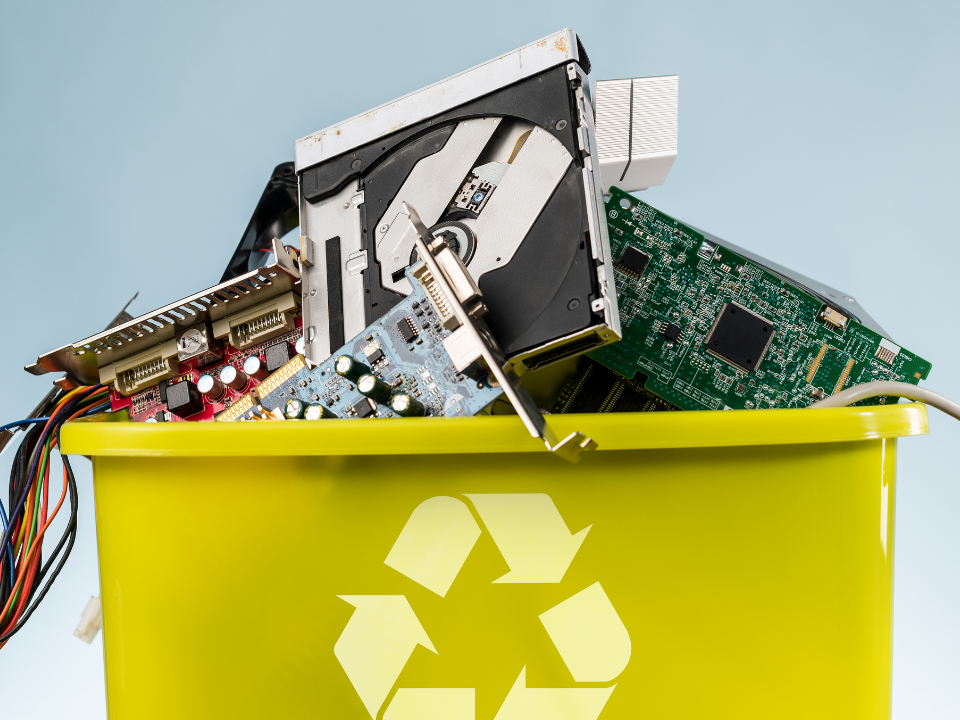
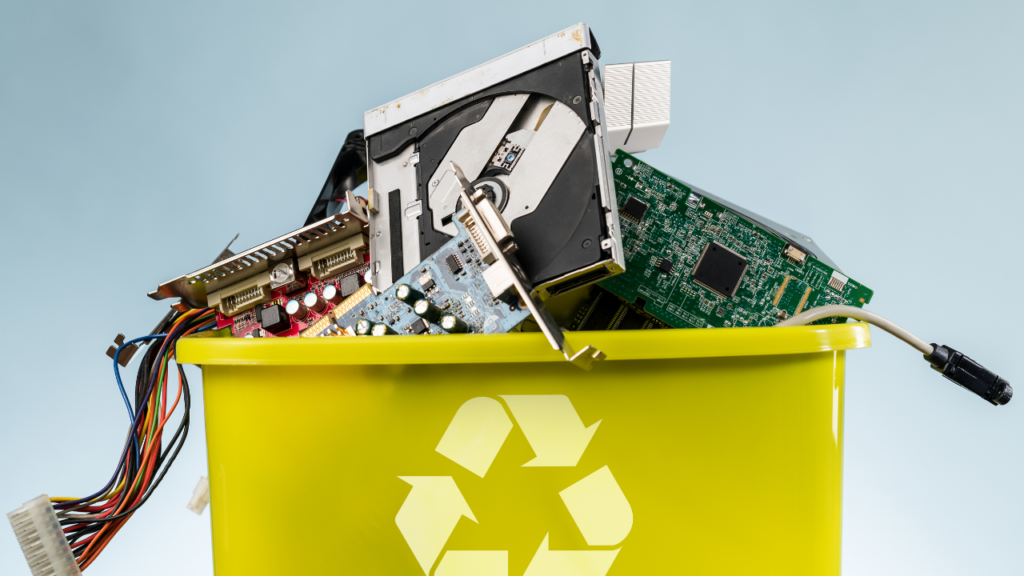
As the global technology landscape expands, many of the world’s most prominent tech giants—ranging from software powerhouses to hardware innovators—have established a significant presence in Turkey. With regional headquarters in Istanbul’s tech corridors and data centers supporting the Middle East and Europe, these organizations face a unique challenge: managing a massive and rapid turnover of IT assets. For a tech giant, electronic waste (e-waste) is not just “old hardware”; it is a complex intersection of proprietary intellectual property, massive data volumes, and high-stakes environmental commitments.
The Unique E-Waste Lifecycle of Technology Leaders
Technology companies operate on a refresh cycle far faster than traditional industries. High-performance servers, cutting-edge networking gear, and thousands of employee workstations are updated frequently to maintain a competitive edge. This rapid “Asset Refresh” creates a constant stream of e-waste that requires a professional, scalable, and highly secure disposal strategy.
In Turkey, tech giants cannot afford the “Spaghetti Code” equivalent of waste management—messy, undocumented, and risky processes. They require a streamlined, “Clean Code” approach to IT Asset Disposition (ITAD) that matches their global operational excellence.
- High-Density Data Destruction for R&D and Server Hubs
For tech giants, the biggest risk isn’t just customer data; it is the protection of Intellectual Property (IP). Prototypes, specialized testing equipment, and high-density storage units often contain source code or hardware designs that are the company’s “Crown Jewels.”
Professional e-waste solutions in Turkey must offer:
- Physical Shredding of Specialized Media: Standard shredding isn’t enough for the high-capacity SSDs and specialized chips used by tech leaders.
- De-branding and Product Destruction: Ensuring that proprietary hardware cannot be “grey-marketed” or reverse-engineered after it leaves the office.
- On-Site Destruction Services: For maximum security, providing mobile shredding units that destroy media before it even leaves the tech giant’s secure perimeter in Istanbul or Ankara.
- Scalability: Handling Multi-Location Operations
Tech giants often have distributed footprints—multiple office buildings, R&D labs, and logistics centers across Turkey. A professional partner like Katkısan Recycling provides a unified logistics solution. Whether it’s a single high-end server from a data center or 500 laptops from a corporate headquarters, the process must be uniform.
A centralized dashboard and standardized reporting allow global IT managers in California or London to see exactly how their Turkish assets were handled. This level of transparency is mandatory for companies that manage thousands of devices across multiple continents.
- Aligning with Global “Carbon Neutral” Commitments
Almost every major tech company has committed to becoming “Carbon Neutral” or “Carbon Negative” by 2030 or 2040. In Turkey, these firms need a partner that helps them meet these goals.
Certified e-waste recycling supports these commitments through:
- Verified Material Recovery: Documenting the recovery of rare earth metals and plastics, which reduces the need for carbon-intensive mining.
- Energy Savings Reporting: Providing data on the energy saved by recycling versus raw material extraction.
- Circular Economy Integration: Facilitating the refurbishment and secondary life of non-data-bearing components, adhering to the highest environmental standards.
- Compliance with Turkish and International Regulations
Navigating the local legal landscape in Turkey can be daunting for foreign tech firms. The WEEE (AEEE) Regulation and KVKK (Personal Data Protection Law) must be balanced with global GDPR standards. A professional e-waste partner acts as a local compliance consultant, ensuring that every National Waste Transport Form (UATF) is filed correctly and every disposal is legally sound. This eliminates the risk of local fines that could attract negative international press.
- Security for Remote and Hybrid Workforces
The shift to remote and hybrid work has decentralized the e-waste problem. Tech employees across Turkey now have corporate-issued devices in their homes. A professional solution includes secure “Reverse Logistics”—the ability to safely collect, track, and destroy assets from remote locations, ensuring that a laptop in a home office is treated with the same security as a server in a data center.
Conclusion: A Partner for the Future of Tech
For a technology giant, the choice of an e-waste partner in Turkey is a reflection of their global values. It is about more than just recycling; it is about protecting innovation, ensuring data integrity, and leading the way in global sustainability.
Katkısan Recycling provides the sophisticated infrastructure, rigorous security protocols, and transparent reporting that the world’s leading tech firms demand. By turning the end-of-life process into a seamless, secure, and sustainable operation, we help tech giants focus on what they do best: building the future.
FAQ
- Can you handle large-scale server decommissioning in Turkey?
Yes. We specialize in large-scale IT asset disposal, including the secure decommissioning of data centers and the removal of high-density server racks with full documentation.
- How do you handle proprietary hardware that shouldn’t be resold?
We offer “Total Product Destruction” services. We physically shred the hardware to ensure it cannot be reused, resold, or reverse-engineered, providing a certificate of destruction for your records.
- Is your reporting compatible with global ESG software?
Absolutely. We provide detailed data on weights, material types, and environmental impact metrics that can be easily integrated into your company’s global sustainability and ESG reporting platforms.